
Harden Your Home Against Wildfire
In an effort to help Truckee homeowners harden their homes against wildfires, Truckee Fire is offering rebates up to $2000. While you can’t control the weather or surrounding terrain, you can significantly reduce the risk of your home igniting. “Home hardening” focuses on making your structure less vulnerable to embers, radiant heat, and direct flame contact—the three primary ways homes are lost in wildfires.
This guide walks through the most effective, practical steps homeowners can take.
1. Understand the Real Threat: Embers
Many people assume homes burn only when flames reach them. In reality, wind-driven embers are the leading cause of home ignition. These small, burning fragments can travel miles ahead of a wildfire and lodge in vulnerable parts of your home.
Common ignition points:
- Roof edges and gutters
- Vents and eaves
- Decks and fences
- Dry vegetation near the house
Your strategy should focus on eliminating places where embers can land, accumulate, and ignite.
2. Create Defensible Space
Defensible space is the buffer zone between your home and surrounding vegetation. It slows fire spread and reduces heat exposure.
Zone 0 (0–5 feet from home): The most critical area
- Remove all flammable materials (mulch, wood piles, dry leaves)
- Use noncombustible materials like gravel, stone, or concrete
- Keep this zone clean and minimal
Zone 1 (5–30 feet)
- Trim plants regularly and keep them well-watered
- Space out shrubs and trees to prevent fire spread
- Remove dead branches and debris
Zone 2 (30–100 feet)
- Thin vegetation to reduce fuel load
- Remove ladder fuels (low branches that allow fire to climb trees)
3. Upgrade Your Roof
Your roof is the most exposed part of your home during a wildfire.
Best options:
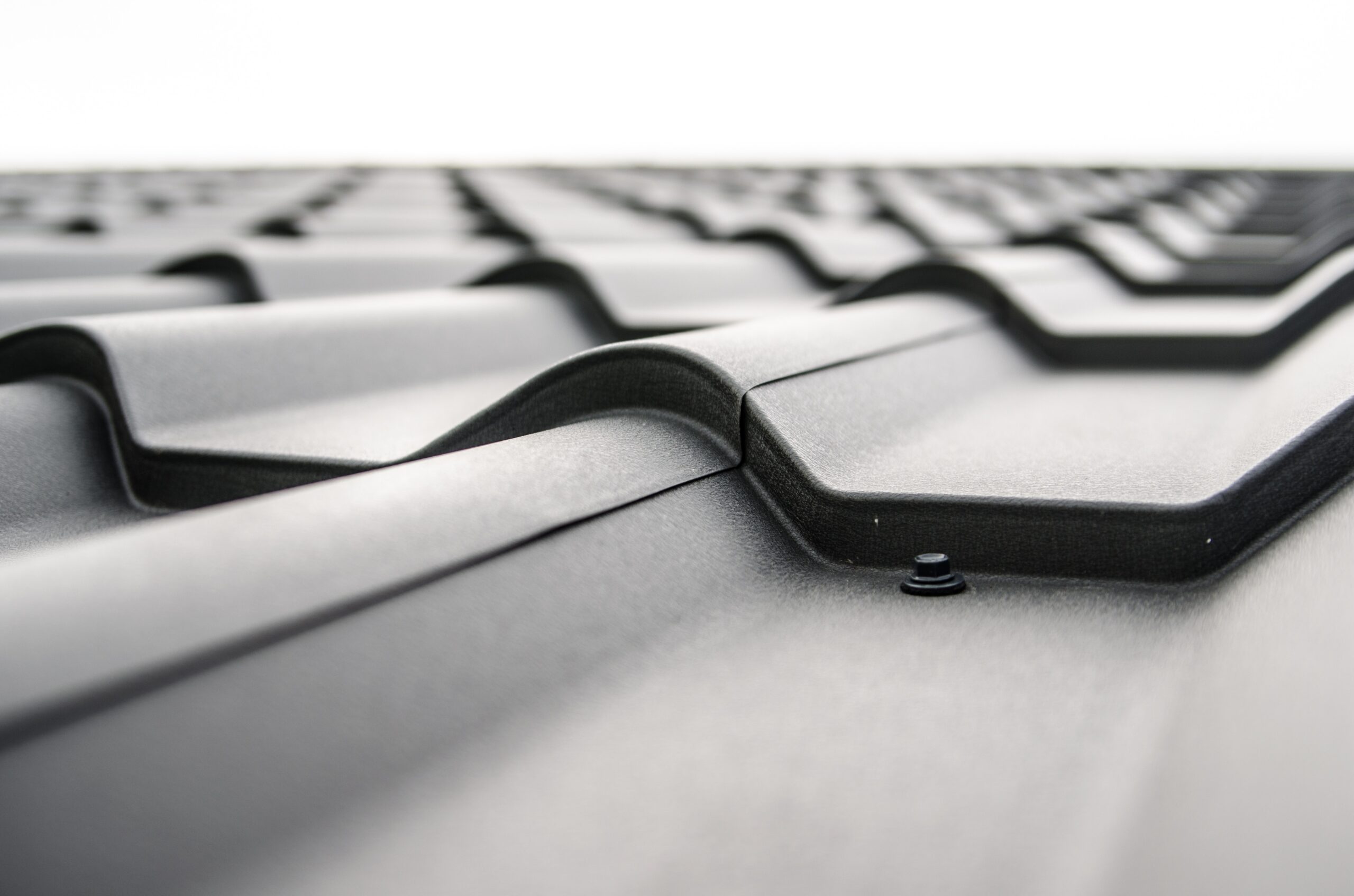
- Class A fire-rated roofing (metal, tile, asphalt composition shingles)
Avoid:
- Wood shake roofs (highly combustible)
Maintenance matters too:
- Clean gutters regularly
- Remove leaves, pine needles, and debris
4. Protect Vents and Openings
Embers often enter homes through vents and ignite interior materials.
Key upgrades:
- Install ember-resistant vents (fine metal mesh, 1/8 inch or smaller)
- Cover attic, foundation, and crawlspace vents
- Consider specialized wildfire vents that seal under heat
5. Upgrade Windows and Doors
Windows can break from heat, allowing embers inside.
Recommendations:
- Install dual-pane or tempered glass windows
- Use metal screens to reduce heat exposure
- Ensure tight seals around doors and frames
6. Harden Decks, Fences, and Attachments
Attachments act like pathways that carry fire directly to your home.
Safer choices:
- Use fire-resistant materials (metal, composite decking)
- Enclose the underside of decks
- Avoid attaching wooden fences directly to the house—or use a metal barrier section
7. Manage Landscaping Wisely
Not all plants are equal in wildfire risk.
Choose:
- Low-resin, high-moisture plants
- Fire-resistant landscaping designs
Avoid:
- Dense shrubs close to the house
- Highly flammable species (like juniper or eucalyptus)
Also:
- Keep lawns trimmed
- Irrigate regularly (if water restrictions allow)
8. Maintain Your Home Regularly
Even the best upgrades fail without upkeep.
Checklist:
- Clear debris from roofs and gutters
- Inspect vents and screens for damage
- Trim trees away from structures
- Remove anything combustible stored near walls
Consistency is more important than one-time improvements.
9. Prepare for Ember Storms
During a wildfire event:
- Close all windows and doors
- Shut off attic fans
- Move outdoor furniture and cushions inside
- Connect hoses and fill water sources if possible
Preparation can make a crucial difference in the final moments before a fire arrives.
10. Think in Layers, Not Single Fixes
There is no single upgrade that “fireproofs” a home. The goal is layered protection:
- Reduce fuel near the home
- Eliminate ignition points
- Use fire-resistant materials
- Maintain everything over time
Each layer reduces risk. Together, they dramatically improve your home’s chances of surviving a wildfire.
Start with the highest-impact changes—clearing the immediate area around your home and addressing vents and roofing—then build from there. The earlier you begin, the more prepared you’ll be when it matters most.
Truckee Fire offers rebates for home hardening. Rebates cover up to 50% of project costs (maximum $2,000) and are issued after project completion and renewal. Click Here for more information.
Contact us today for information about available homes for sale in North Lake Tahoe and Truckee or for a free value analysis of your property.
 Market Stats
 Listing Watch
 My Home Valuation