
Connections 2050: Paving the Way for Tahoe's Transportation Future
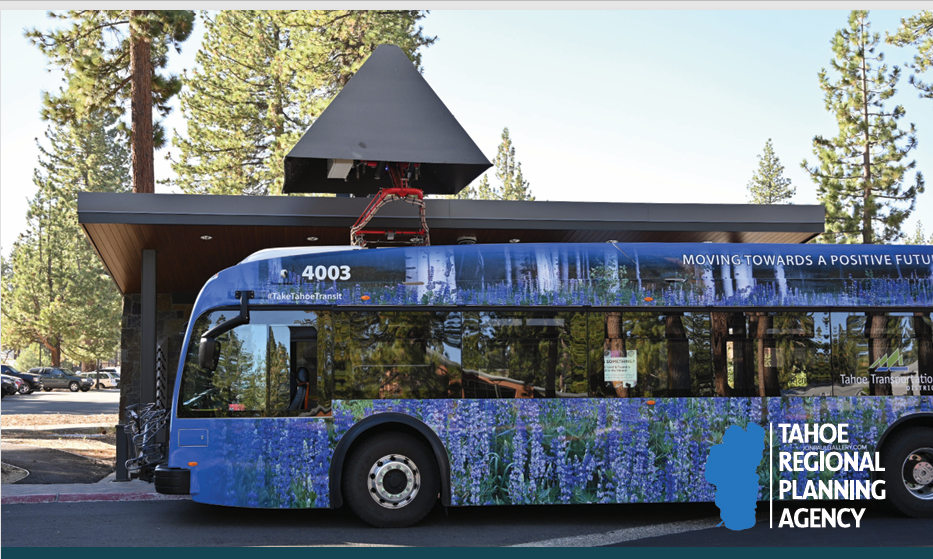
In a significant move for the Lake Tahoe region, the Tahoe Regional Planning Agency (TRPA) has officially approved Connections 2050, a long-term transportation vision that will shape how people move throughout the basin for the next 25 years. The plan represents more than just roadmaps and projects, it reflects a shift in priorities toward sustainability, resilience, and quality of life.
What Is Connections 2050?
Connections 2050 is the region’s comprehensive transportation plan, aiming to align mobility goals with environmental protection, community needs, and economic resilience. It outlines a framework for how the region will invest in transit, infrastructure, and technology from now through mid-century. It includes more than 90 individual projects designed to reduce congestion, protect the environment, and create a safer, more connected Tahoe.
Core Goals of the Plan
1. Reduce Traffic and Emissions
A primary focus is reducing reliance on personal vehicles. This means lowering vehicle miles traveled (VMT) and shifting toward walking, biking, and public transit. The plan proposes corridor-level strategies that will reduce congestion while maintaining access to key destinations.
2. Improve Transit and Connectivity
Expanded public transportation plays a central role. The vision includes frequent, reliable transit options, especially between communities and popular recreation spots. There’s also an emphasis on micro-transit services and shuttle systems that provide first-mile/last-mile solutions.
3. Support Active Transportation
The plan invests heavily in safer bike and pedestrian routes, aiming to connect neighborhoods, schools, and business districts via trails and walkable streets. These investments also enhance the region’s recreational appeal.
4. Modernize Parking and Mobility Management
Parking is being reimagined as part of a broader mobility system. Dynamic pricing, real-time availability tools, and reservation systems are part of the solution to managing demand in high-traffic areas, especially during peak seasons.
5. Build Resilience and Emergency Readiness
As climate-related risks increase, the plan includes upgrades to evacuation routes, stormwater systems, and road durability. Infrastructure is being designed to withstand wildfires, storms, and increased visitor loads, ensuring public safety and emergency access.
6. Prioritize Environmental Stewardship
Every project under Connections 2050 is evaluated through the lens of environmental protection. From air and water quality to scenic and noise impacts, the plan integrates sustainability at every level.
What Does It Mean for the Community?
For residents and visitors, Connections 2050 promises a more seamless and enjoyable experience moving through Tahoe. Whether it’s catching a bus to the slopes, biking safely to town, or using an app to reserve a parking space, the goal is to make mobility smarter and more sustainable.
At the same time, the plan aims to ease the environmental pressures that come with high visitation, protecting Tahoe’s natural beauty for future generations. It supports community vitality by encouraging compact, walkable development and improving access to jobs and services.
Looking Ahead
TRPA’s approval of Connections 2050 is a major milestone, but it’s just the beginning. Implementation will roll out in phases, depending on funding, partnerships, and regional coordination. Community involvement will remain key as specific projects move forward.
This plan is not just a vision, it’s a commitment. A commitment to a Tahoe that is safer, cleaner, better connected, and built to last.
Contact us today for information about available homes for sale or to list your property at Lake Tahoe.
 Market Stats
 Listing Watch
 My Home Valuation